Department of Nephrology
Dr. RMLIMS | 2025-26
Vision
To establish the Department of Nephrology as a center of excellence in comprehensive kidney care, academic leadership, and research innovation. The department aspires to deliver ethical, affordable, and evidence-based renal services while advancing education, fostering multidisciplinary collaboration, and improving kidney health outcomes at regional and national levels.
Mission
To provide high-quality management of acute and chronic kidney diseases, dialysis, and renal transplantation through standardized protocols and patient-centered care. The department is committed to structured super-specialty training, impactful research, quality assurance, infection control, and community outreach programs promoting CKD prevention and organ donation awareness.
Department Curriculum
DM Nephrology Super-Specialty Framework
Interactive Document Viewer
Brief Introduction
The department of Nephrology at Dr RMLIMS has been serving patients with renal disease in the region, for greater than a decade now. The department is endowed with a 28-bedded ward, 4-bedded ICU, 8-bedded kidney transplant unit, with recent expansion to include 6 more beds. Additionally, the department provides round-the-clock hemodialysis, with 23 hemodialysis machines, and with manpower and facilities to perform slow dialysis, hemodiafiltration, CRRT and peritoneal dialysis. The department runs 6 OPDs/week, and also runs specialty clinics for transplants and vascular access. In this year, a total of 37 transplants took place, including regular ABO-incompatible transplants. A number of vascular access procedures (> 1000) were performed in the well-equipped procedure unit of the department.
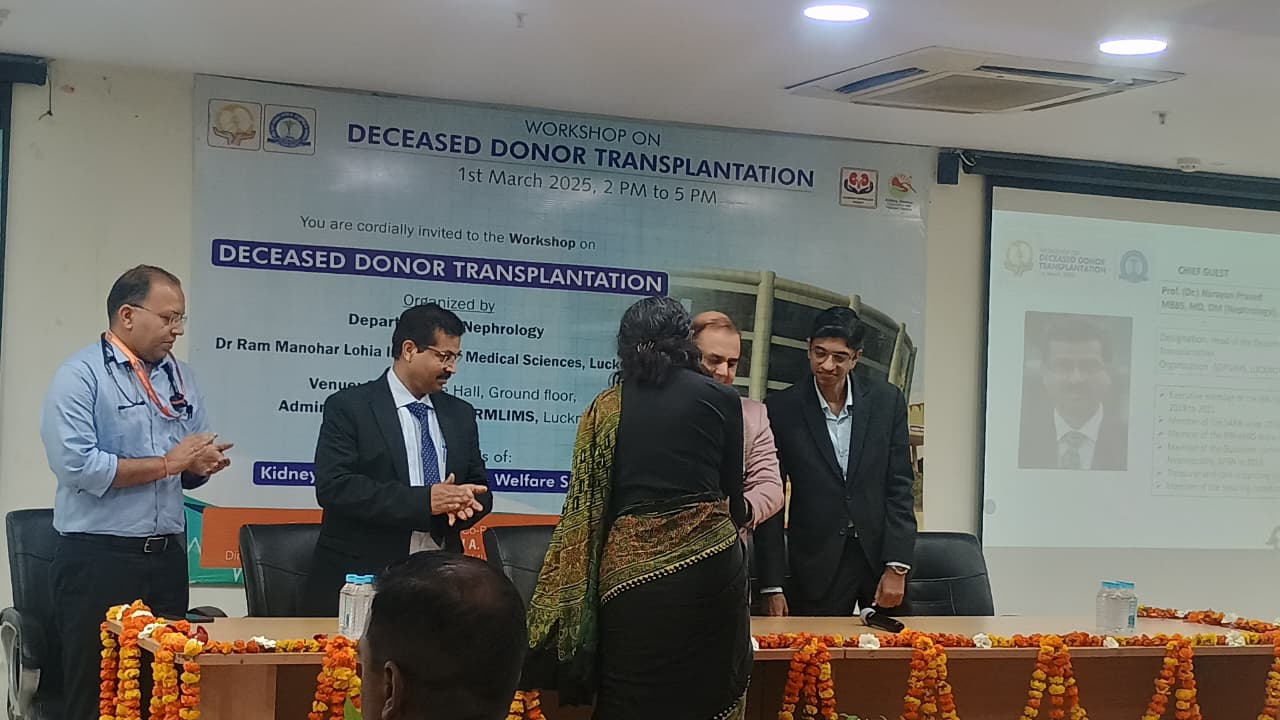
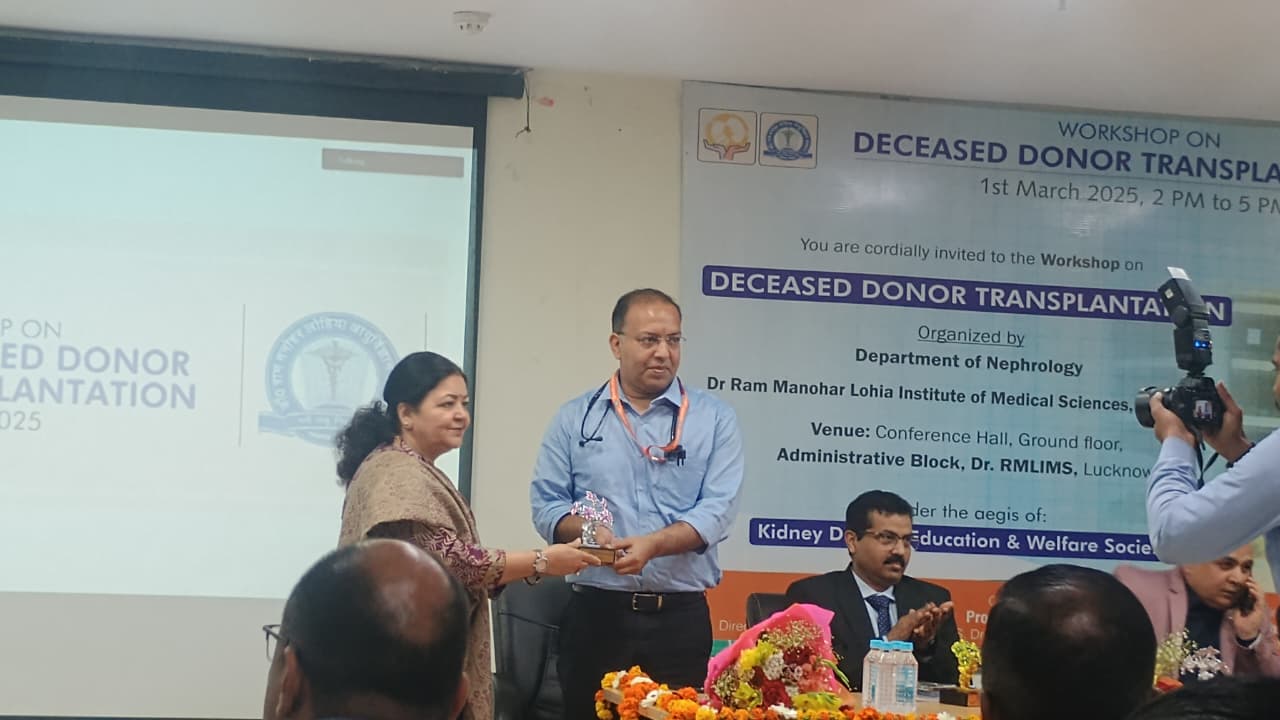
At present, the department has five faculty members, is permitted for 3 seats for DM Nephrology program, and 4 academic senior residents are training in the department. An important goal for the department in the next year is to start and augment the deceased donor renal transplant program in the institute. In this regard, the department conducted a well-appreciated CME in the month of March 2025, which primarily dealt with nuances of donor identification, brainstem death certification, medical and surgical management of deceased donor transplantation. The department has been amply helped in the pursuit of these goals, by the administration under the leadership of our Director, Prof CM Singh.
Manpower
Professor and Head (DOJ: 13-09-2013)
Prof (Jr) (DOJ: 14-06-2017)
Assistant Prof (Bond) (DOJ: 9-01-2026)
Assistant Prof (Bond) (DOJ: 12-01-2026)
Assistant Prof (Bond) (DOJ: 02-02-2026)
4 Academic SRs
5 Junior Residents
None Tutors/Demonstrators
Infrastructure Highlights
46
Total IPD Beds23
HD Machines6
OPD Days/Week24/7
HemodialysisBed Distribution Detail:
- 20 beds in 4th floor (main Nephrology ward)
- 8 beds in KTU (Kidney Transplant Unit)
- 4 beds in Nephrology ICU
- 8 beds in 2nd floor and 6 beds in 3rd floor (additional Nephrology wards)
Spectrum of Activities
1) Clinical Services
Six days/week OPD; bedside clinical and teaching rounds all days; Procedures: vascular access insertions (noncuffed and cuffed), arteriovenous fistula creation, peritoneal dialysis catheter insertions, renal biopsies; Renal replacement therapies: hemodialysis, slow low efficiency dialysis, continuous renal replacement therapies, peritoneal dialysis, membrane-based plasma exchange; Renal transplantation: pre-, post-transplant care and management.
2) Non-clinical Activities
Intradepartmental: Departmental academic sessions 3 days/week including case presentations, seminars, journal clubs, mortality meets, faculty lectures and departmental presentations; Interdepartmental: Nephrology-Pathology meet- once/month, Nephrology-Urology meet- once/month.
3) Community Services & Outreach
The department, under the aegis of the International Society of Nephrology, and in collaboration with the department of Community Medicine, aims to set up blood and urine-test based screening for kidney disease in the Rural Health Centre at Juggaur.
4) Teaching & Training
DM Nephrology, permitted for 3 seats from year 2022 onwards.
Program Outcomes (DM Nephrology)
The DM Nephrology training program is designed to produce competent, ethical, and research-oriented nephrologists capable of delivering comprehensive kidney care across diverse clinical settings. Upon completion of the program, the trainee is expected to achieve the following outcomes:
Program Specific Outcomes
The Program Specific Outcomes of the DM Nephrology program aim to develop competent and independent nephrologists capable of managing complex renal disorders, including acute and chronic kidney diseases, glomerular diseases, and resistant hypertension. Graduates gain expertise in all modalities of renal replacement therapy, renal biopsy, vascular access procedures, and comprehensive transplant care. The program emphasizes evidence-based practice, research methodology, and scientific publication. Trainees are prepared to work within multidisciplinary teams, maintain high standards of patient safety and quality assurance, and contribute to preventive nephrology initiatives and organ donation awareness, thereby improving renal health outcomes at institutional and community levels.
Department Highlights 2025-26
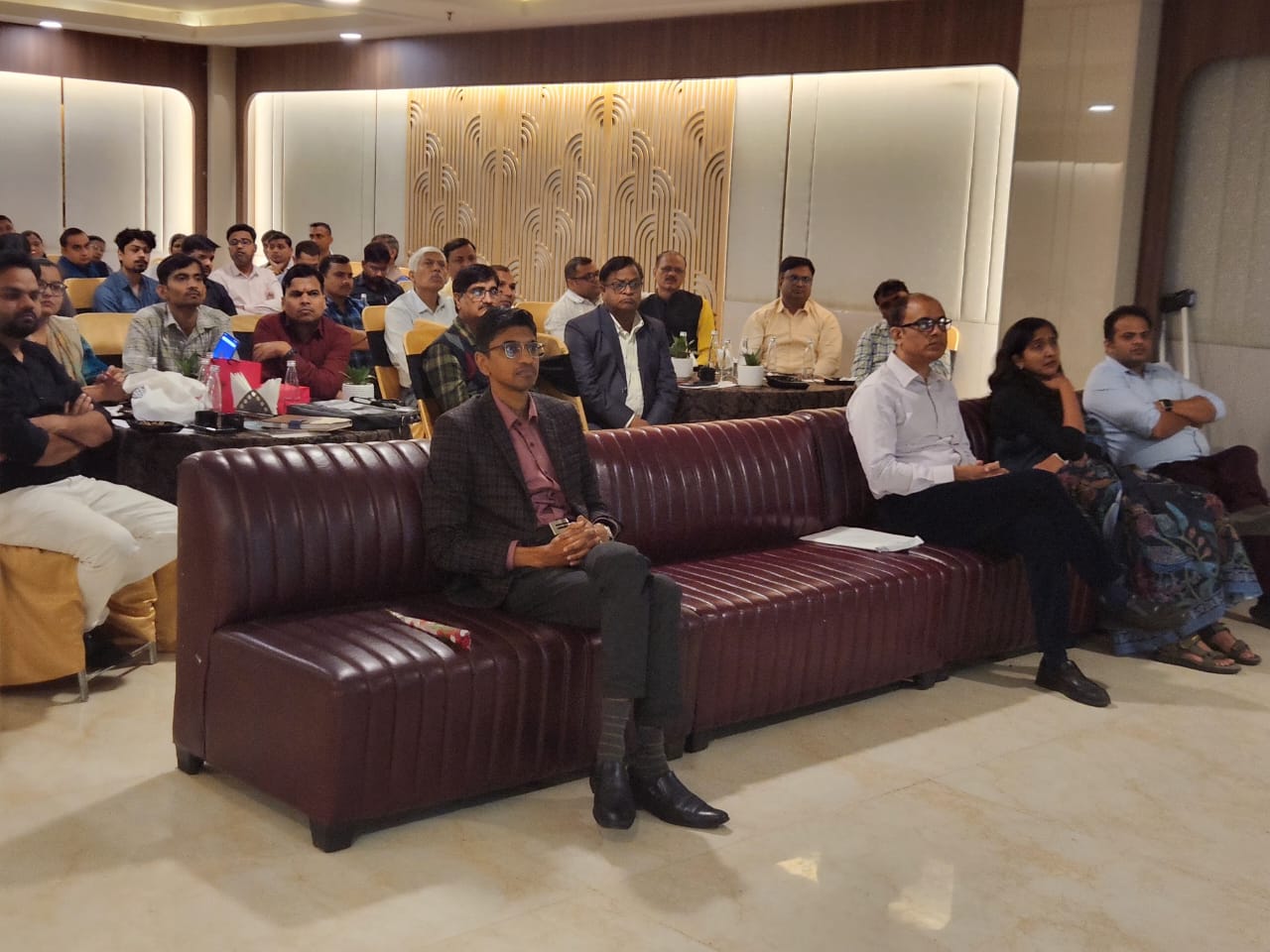
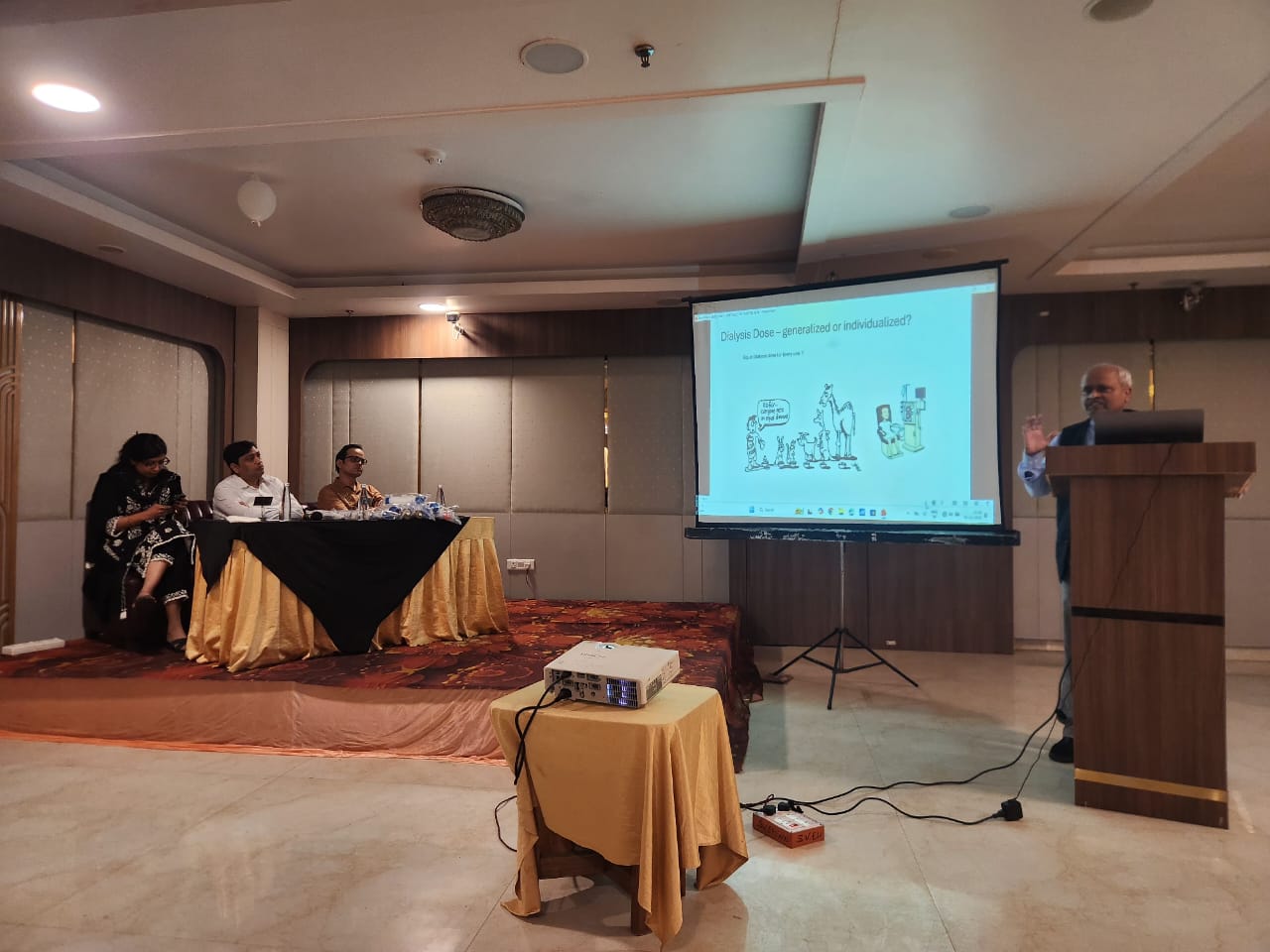
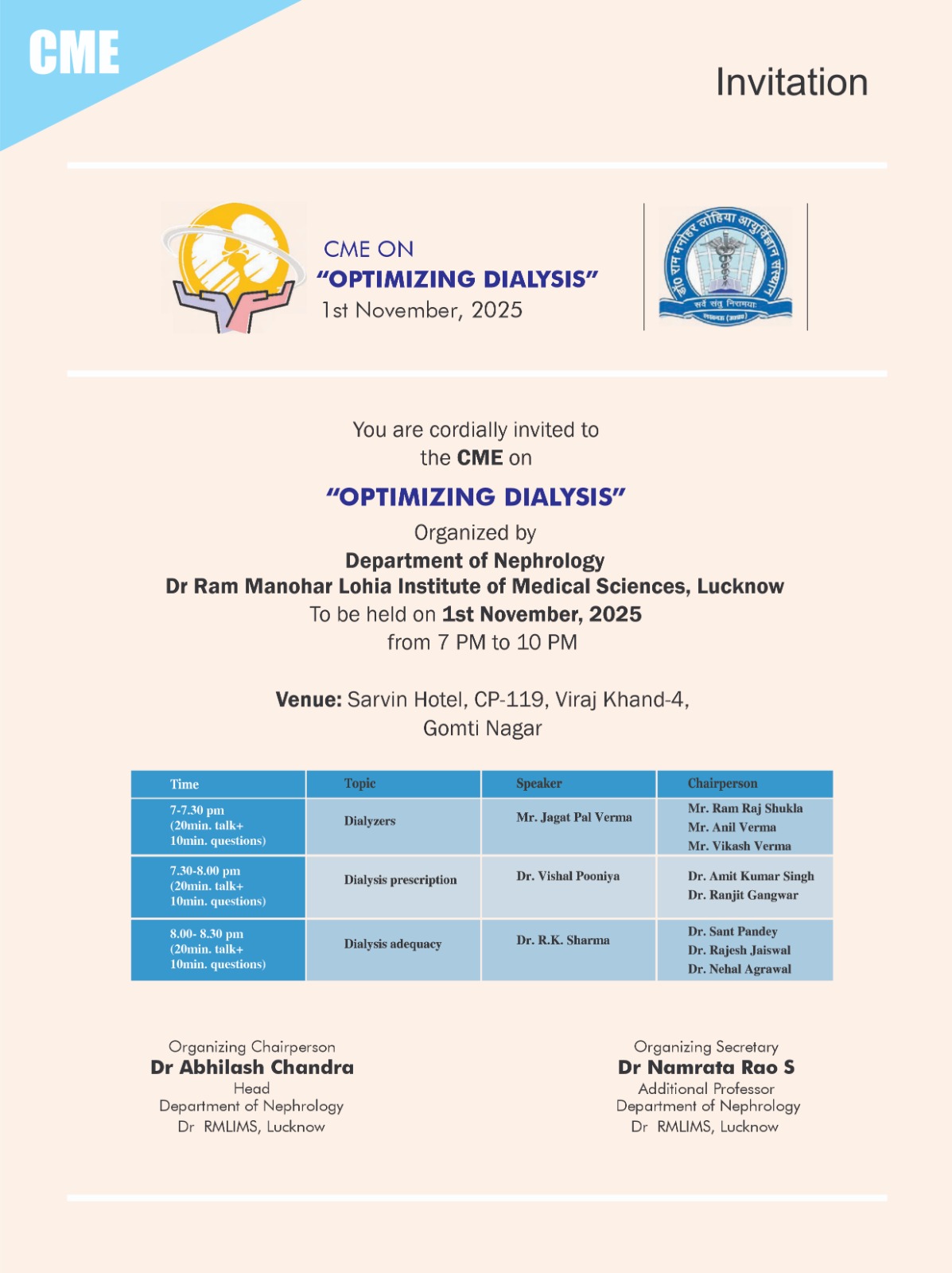
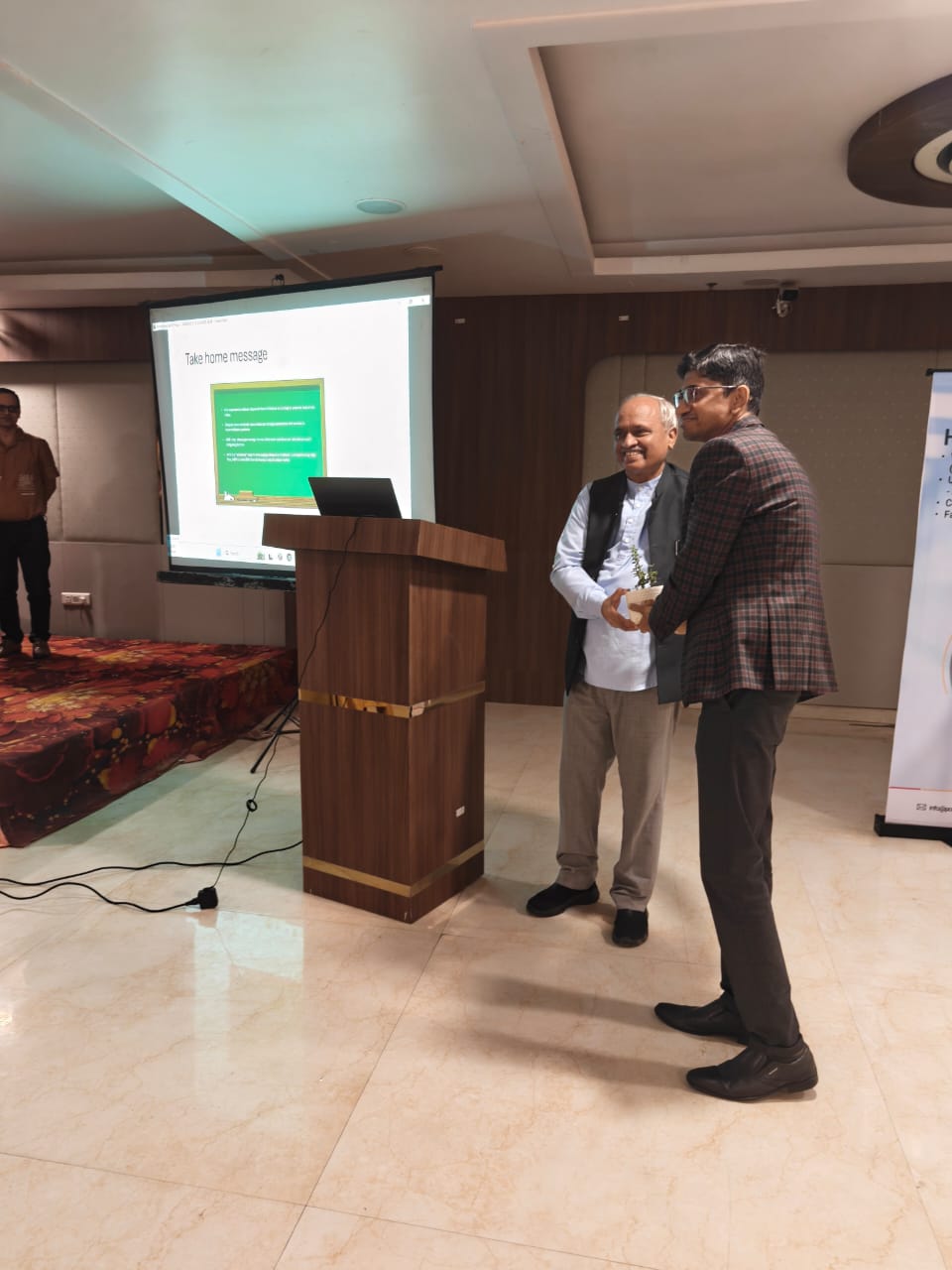
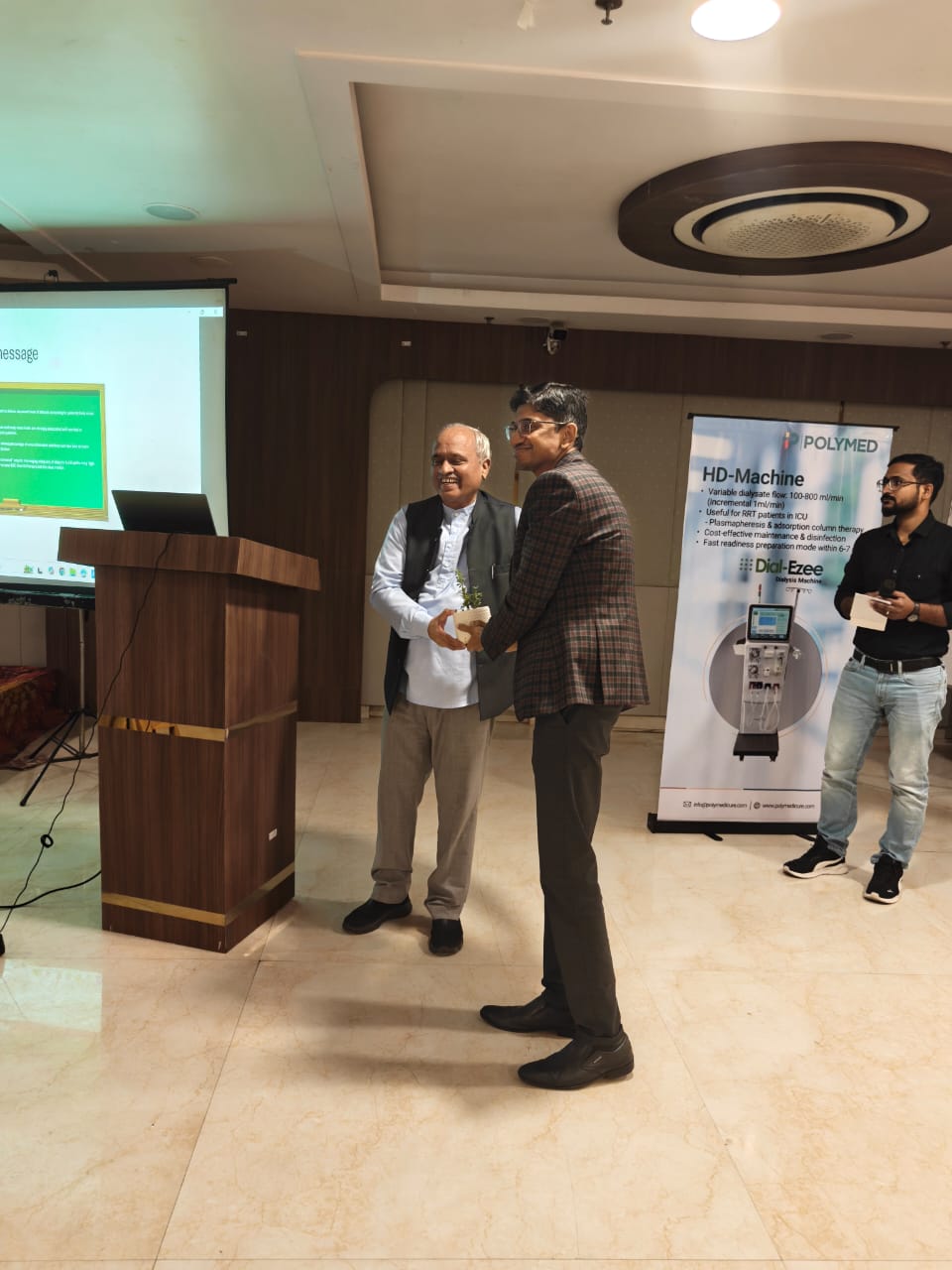
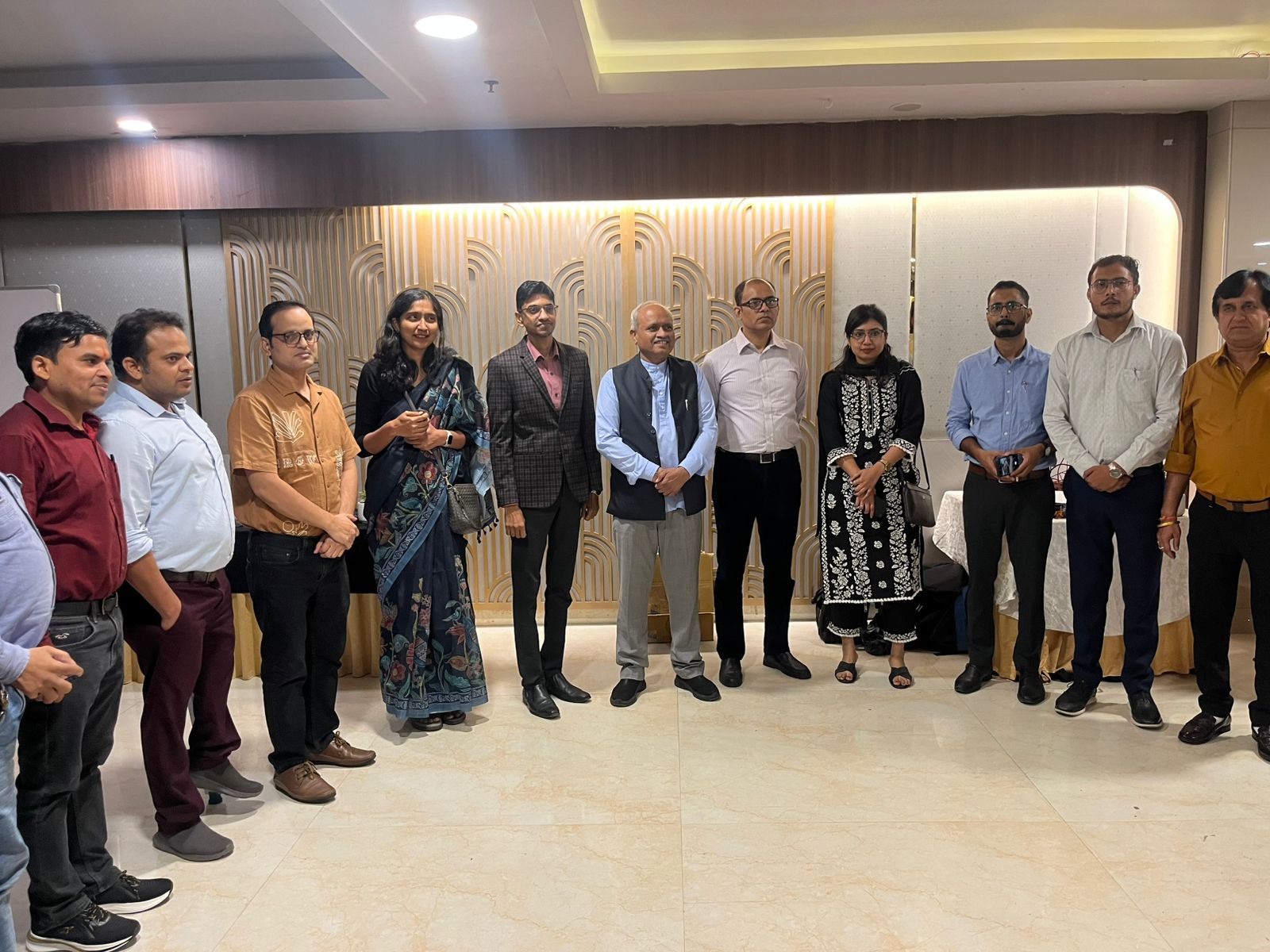
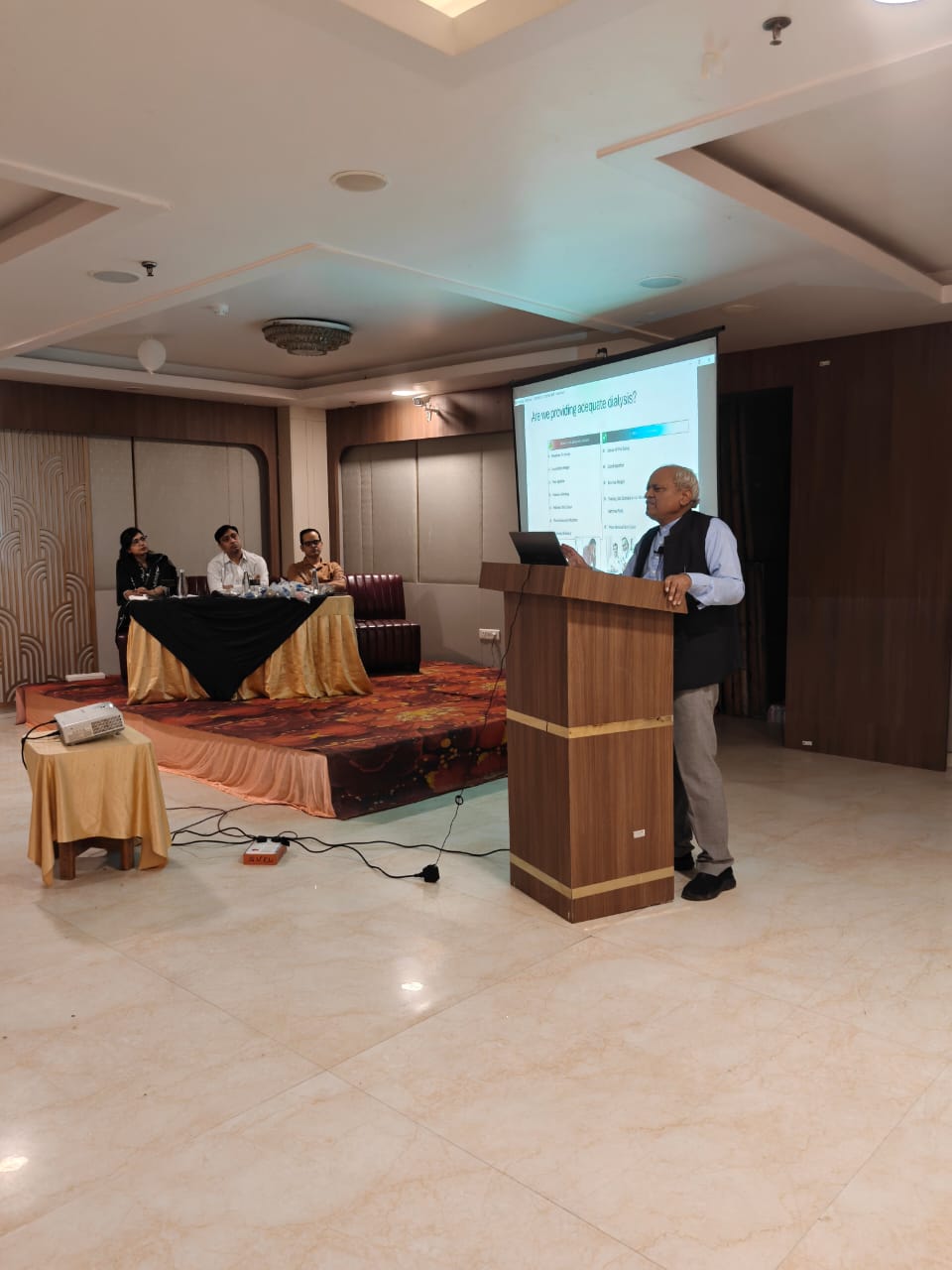
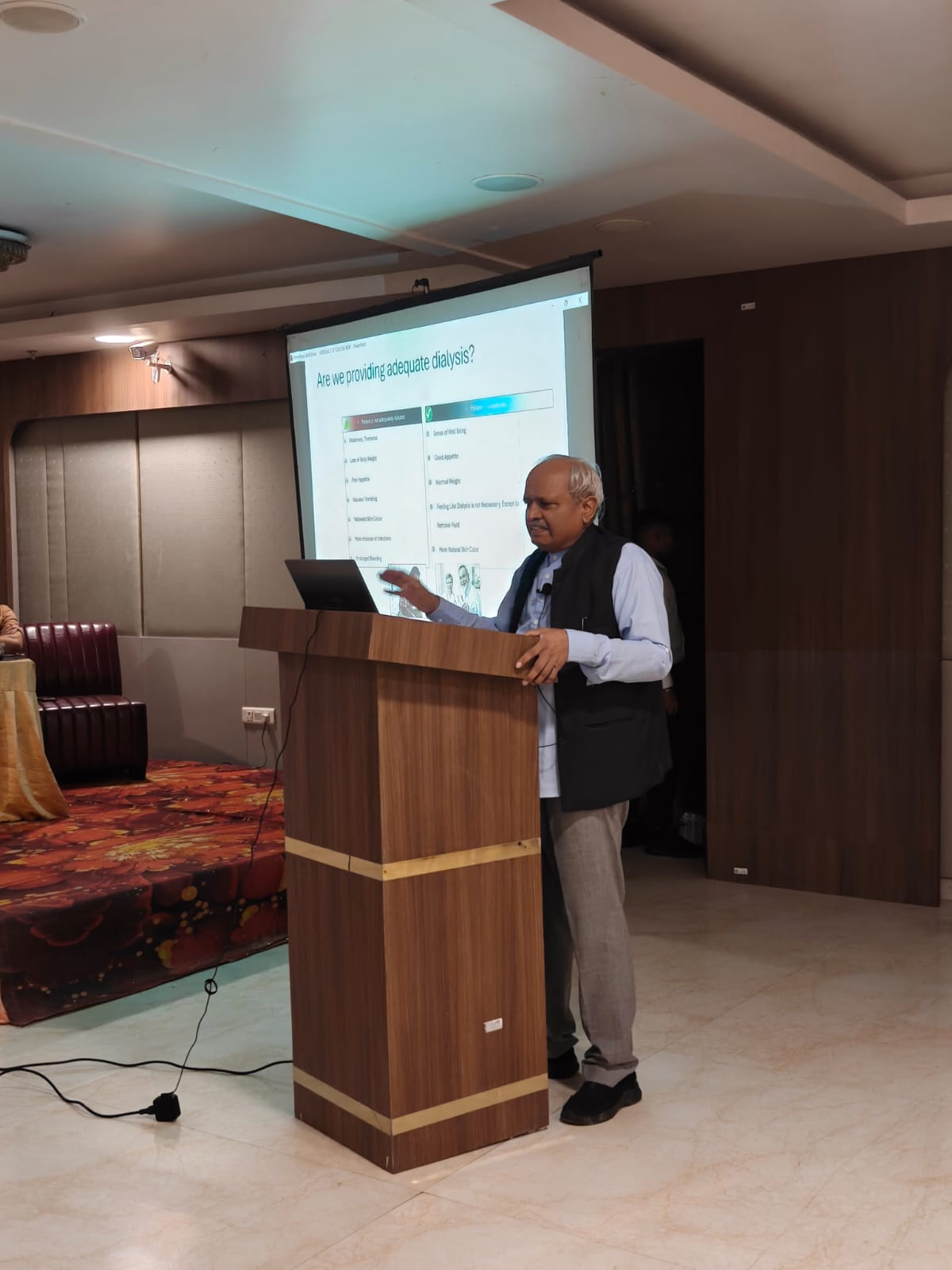
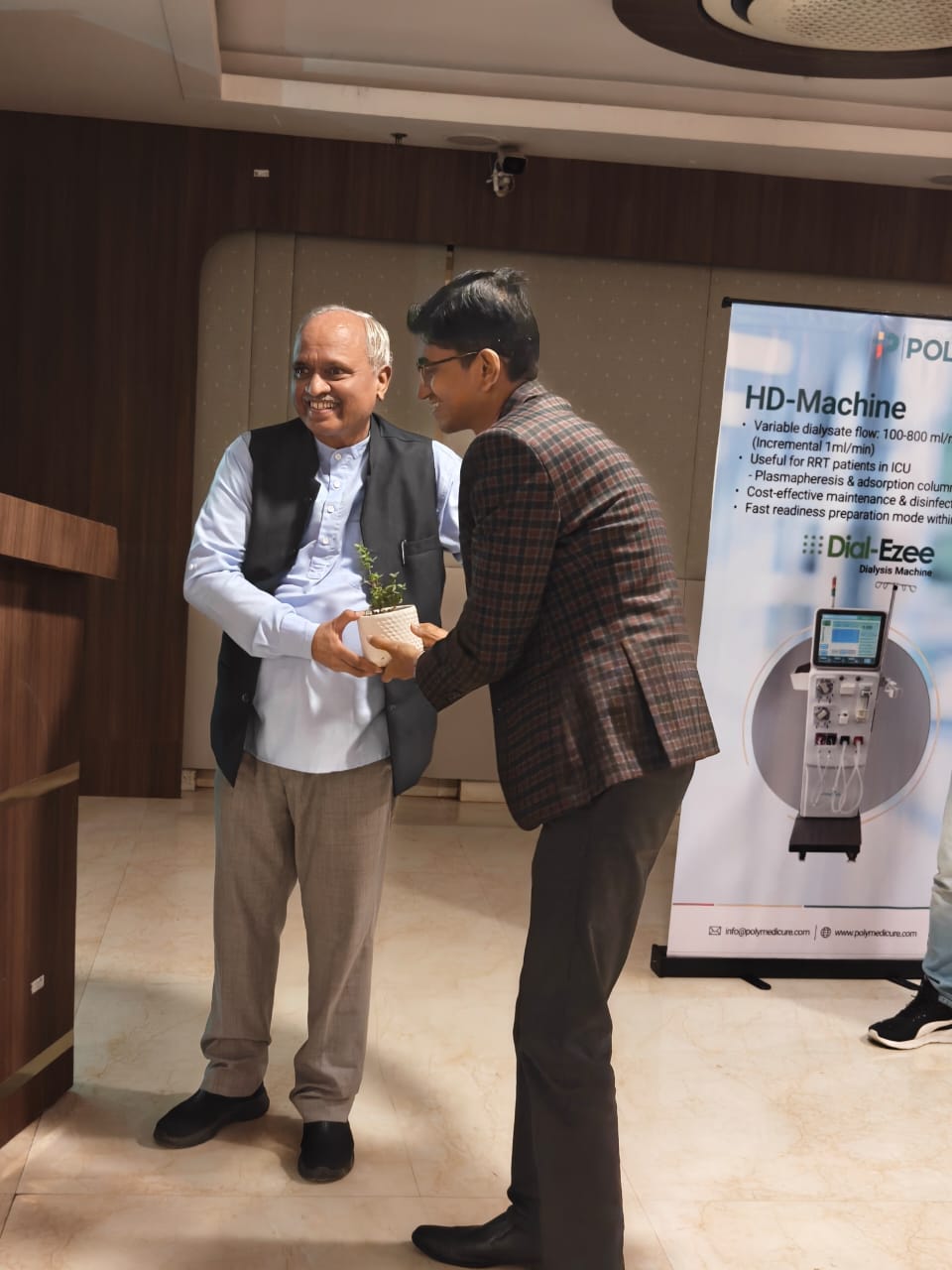
1. CME "Optimizing Dialysis"
Organized at Sarvin Hotel, Gomti Nagar. The scientific sessions included discussions on dialyzers, dialysis prescription, and dialysis adequacy. Expert speakers delivered evidence-based lectures emphasizing optimal dialysis practices and outcome improvement.
2. CME "Difficult Vascular Access"
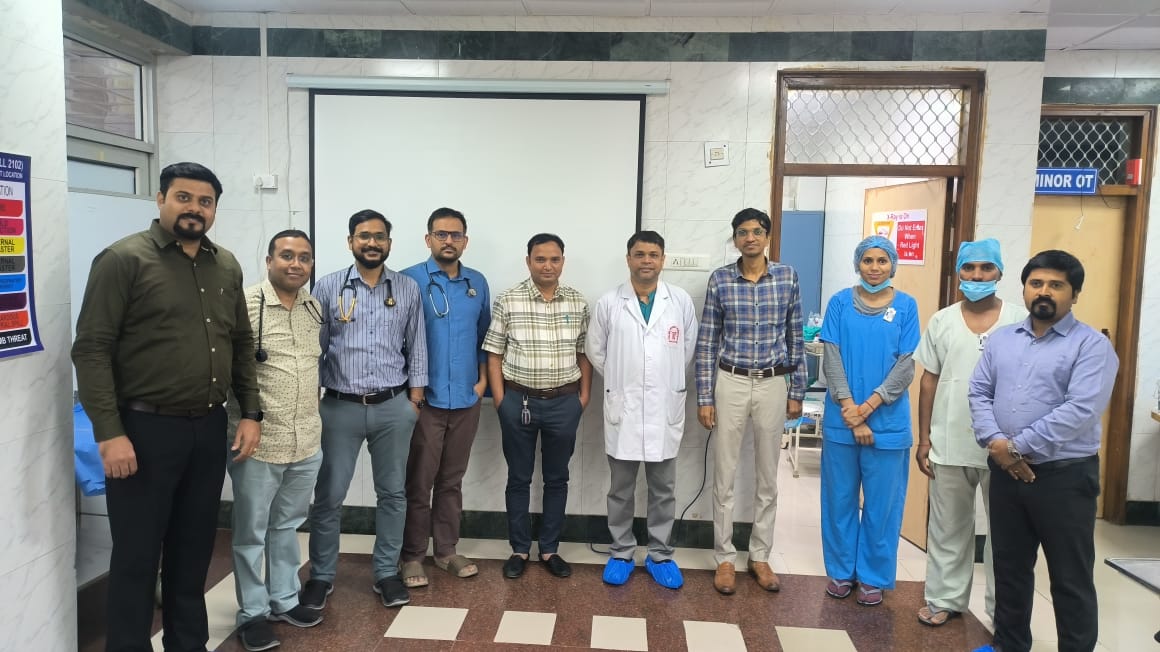
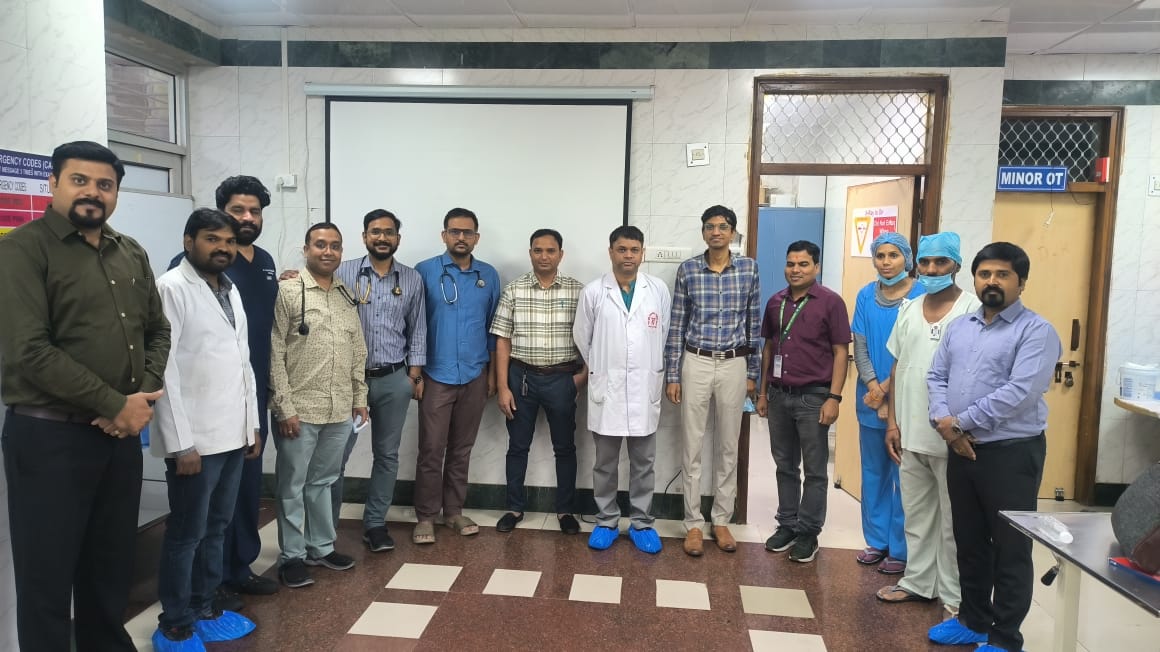
Focused on addressing challenges in establishing and maintaining vascular access in CKD Patients, preserving native AV fistulae, and management of catheter-related complications. Emphasized the role of imaging and interventional approaches.
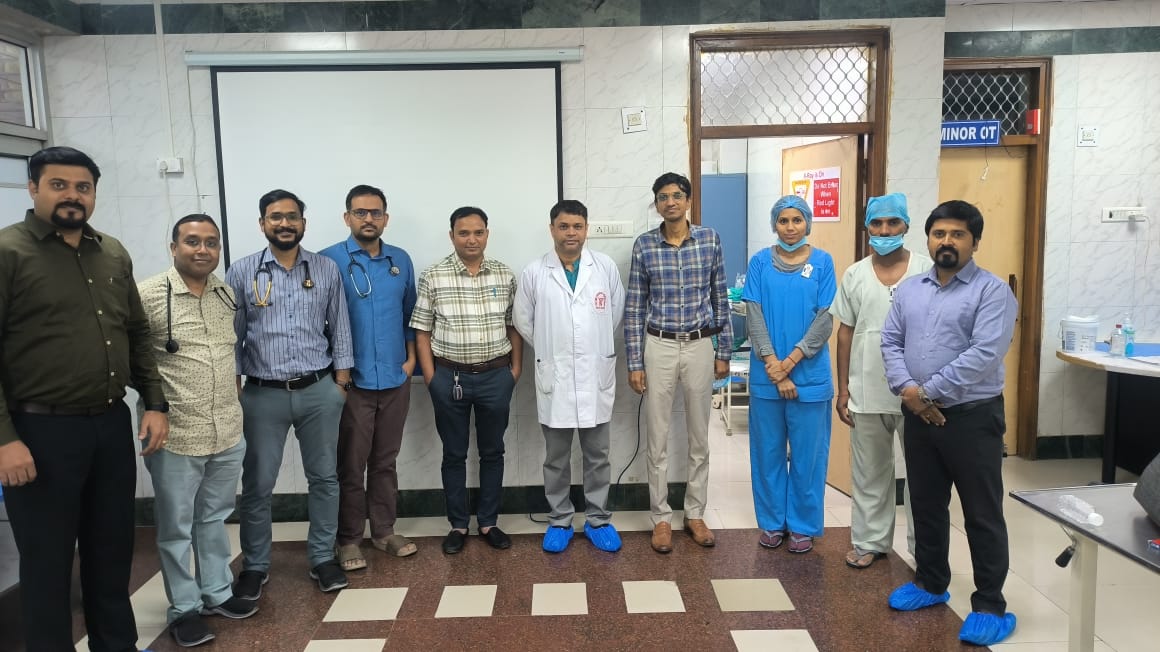
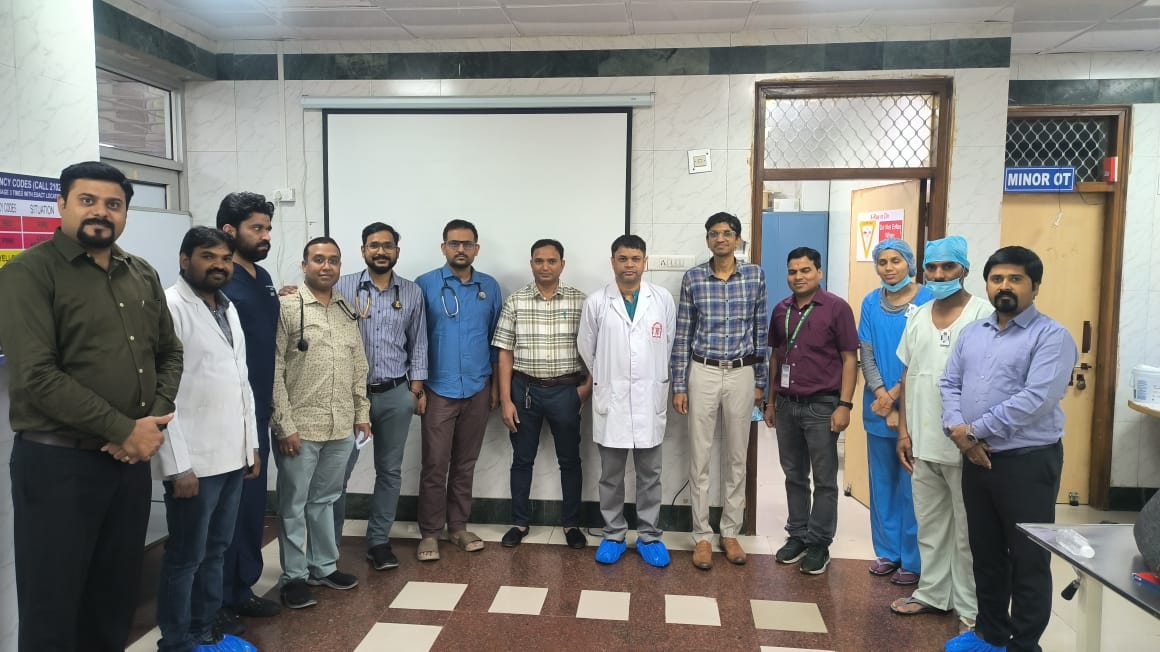
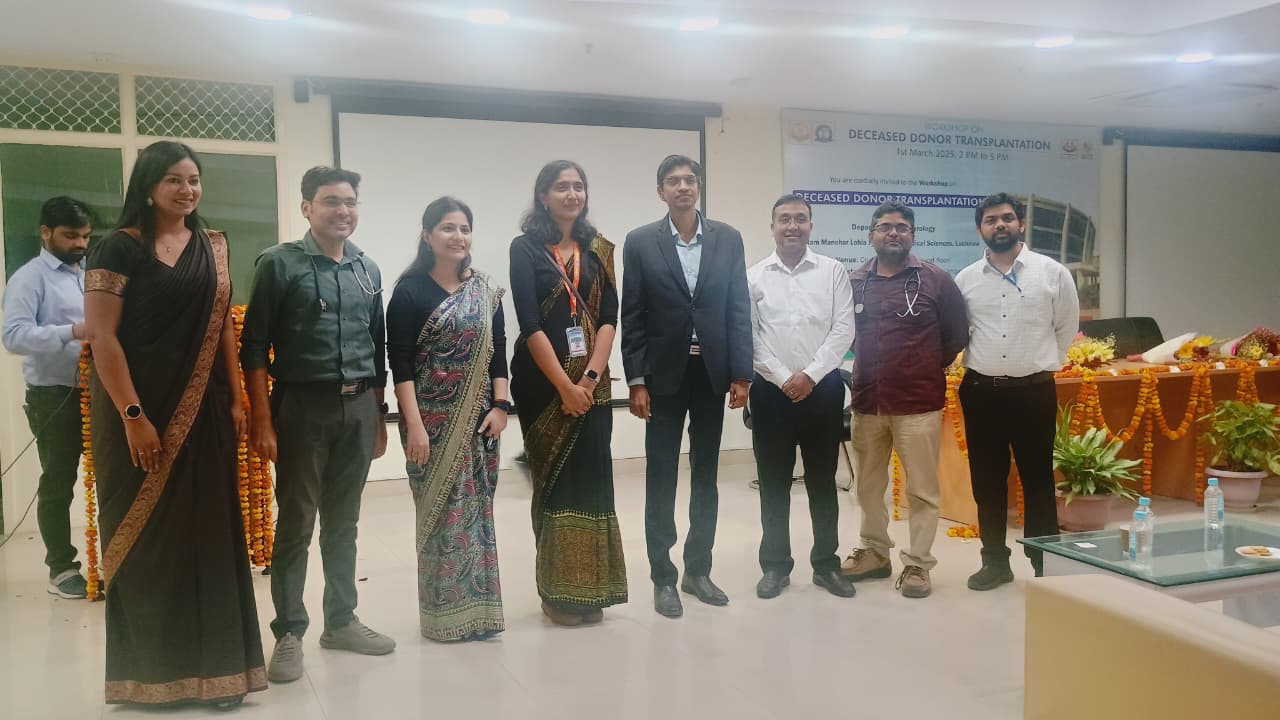
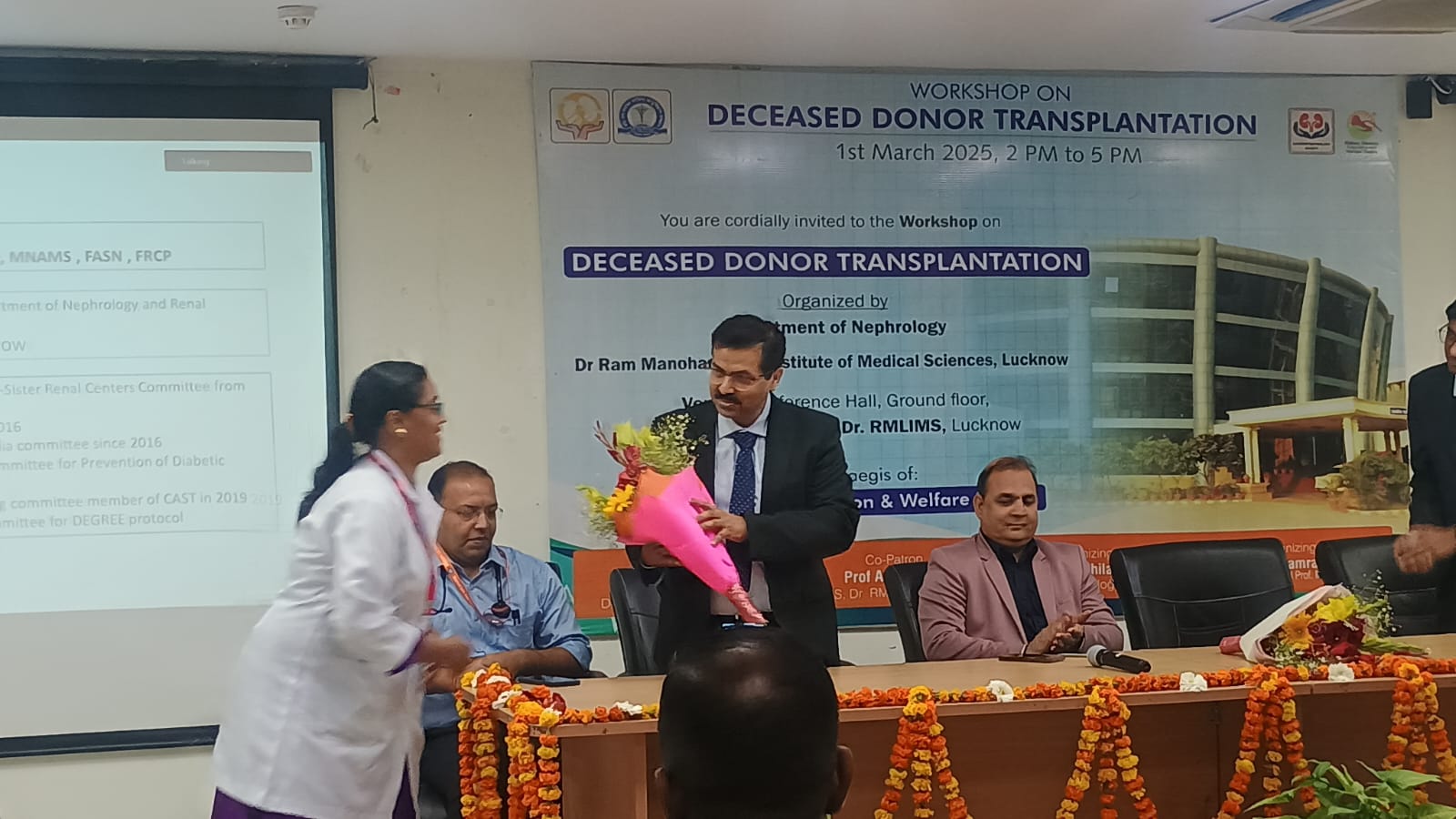
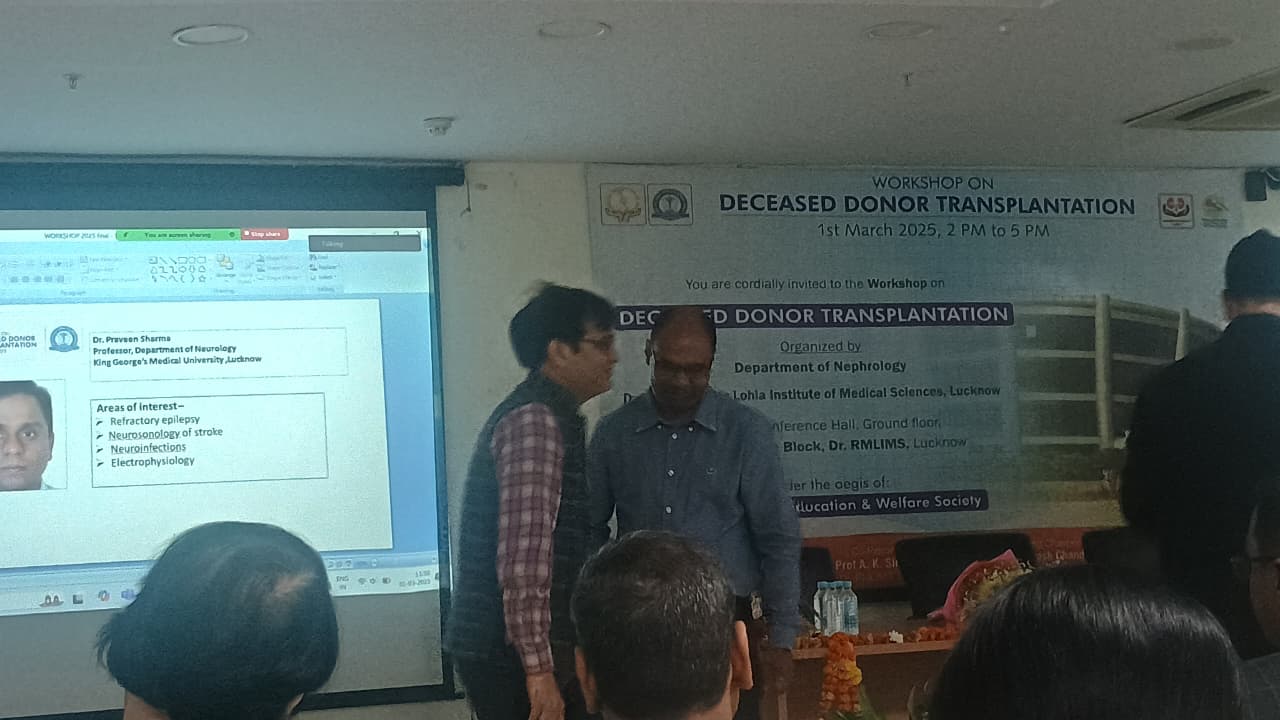
3. CME Workshop "Deceased Donor"
Conducted at the institute’s conference hall. Covered donor identification, brain death certification, legal and ethical considerations, and retrieval logistics. Aimed at improving cadaveric transplant rates.
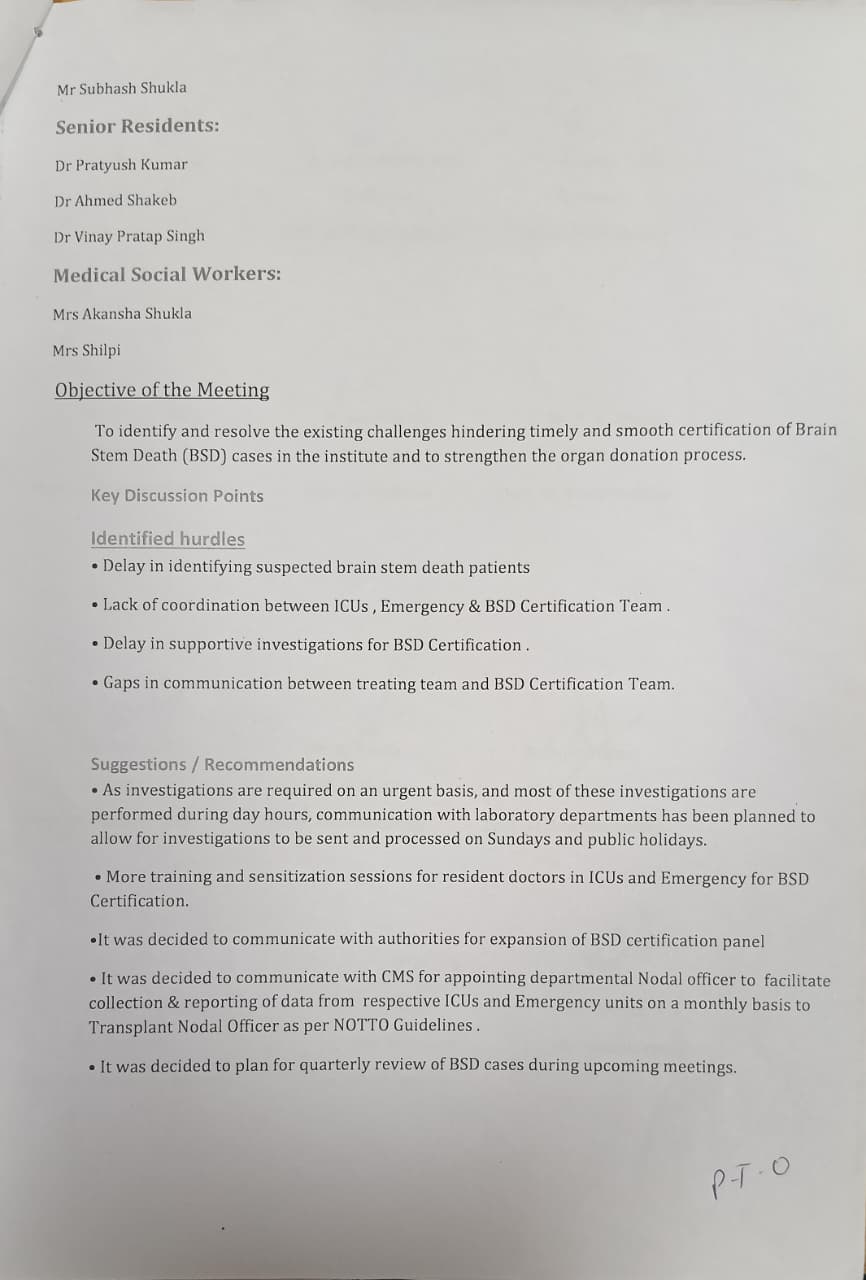
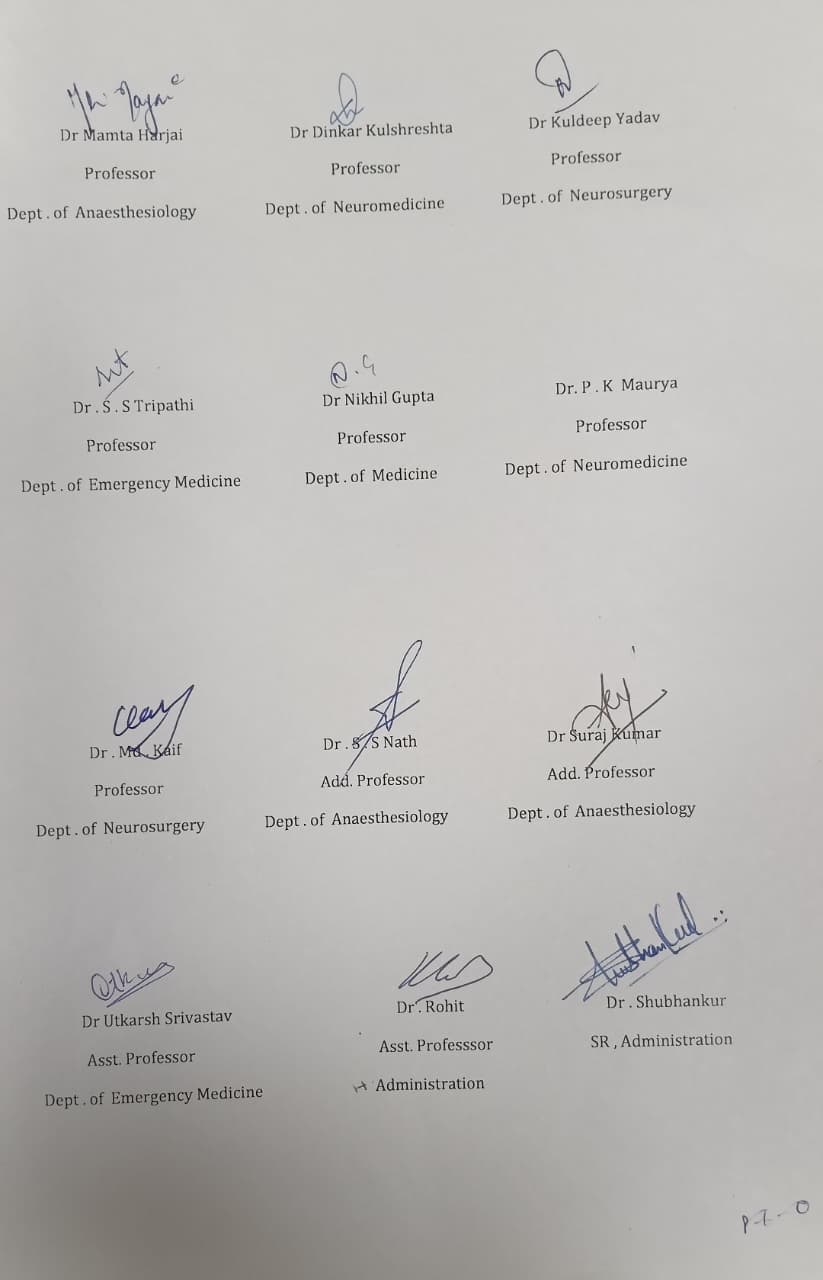
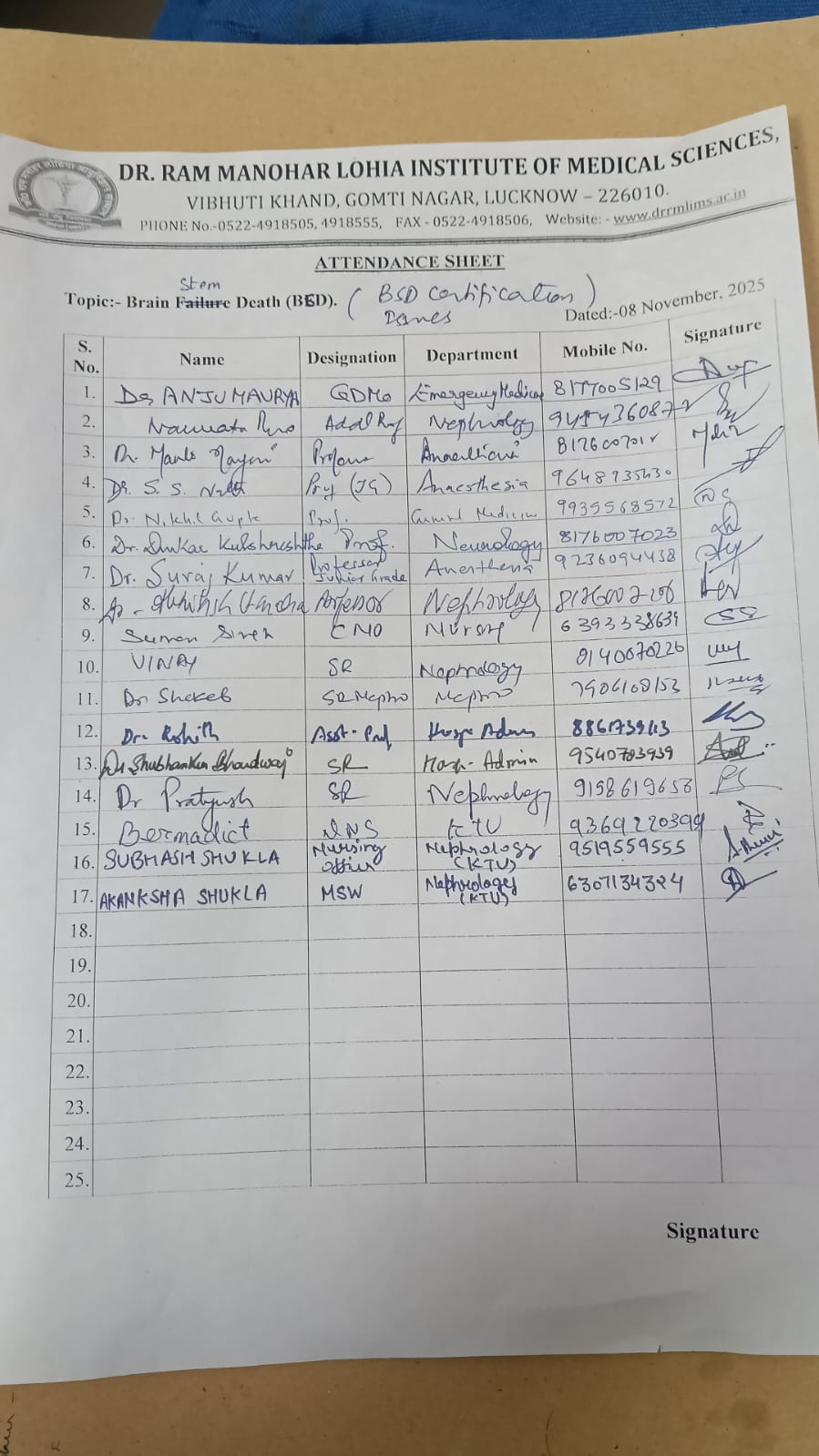
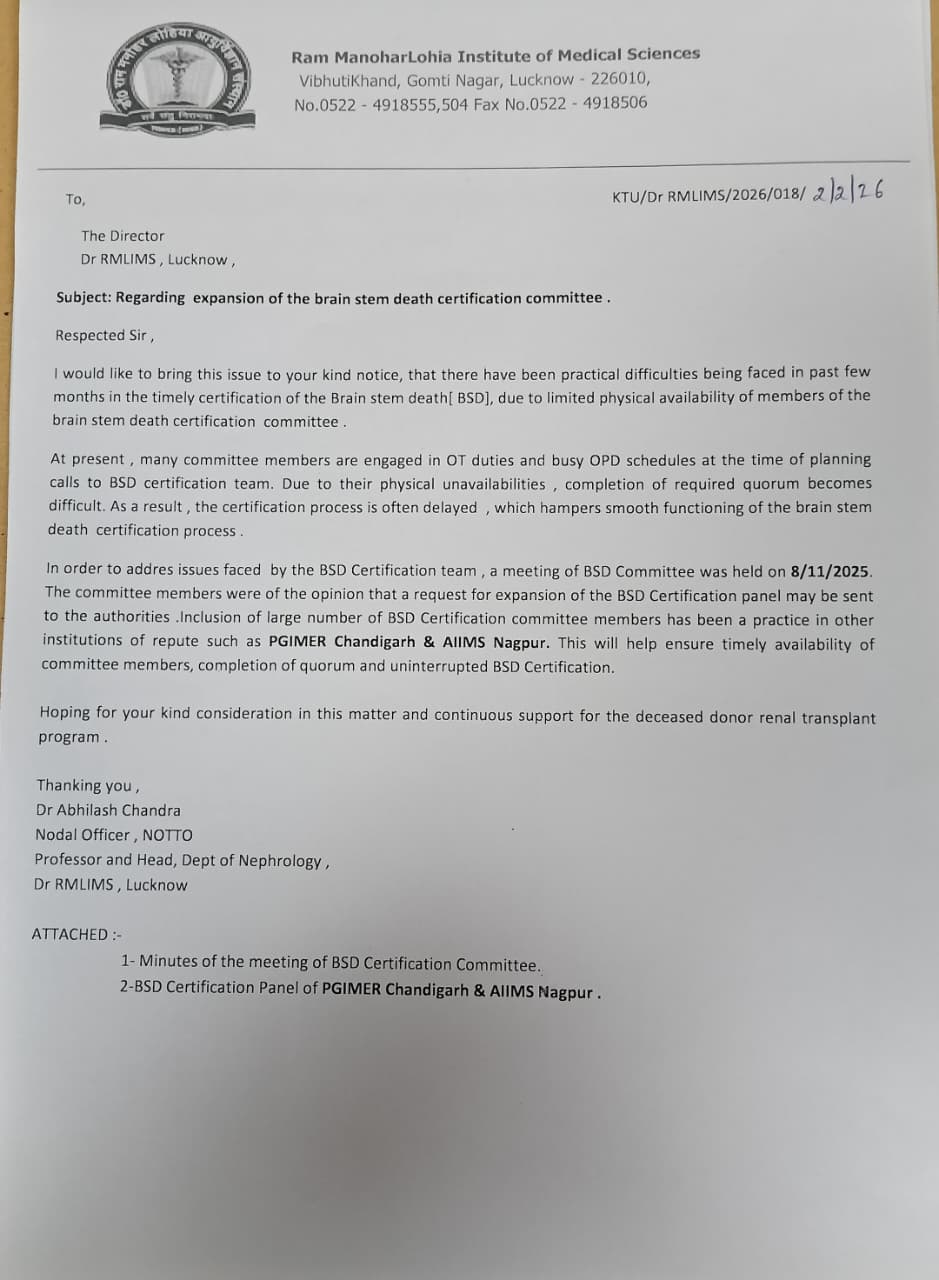
4. BSD Certification Meeting
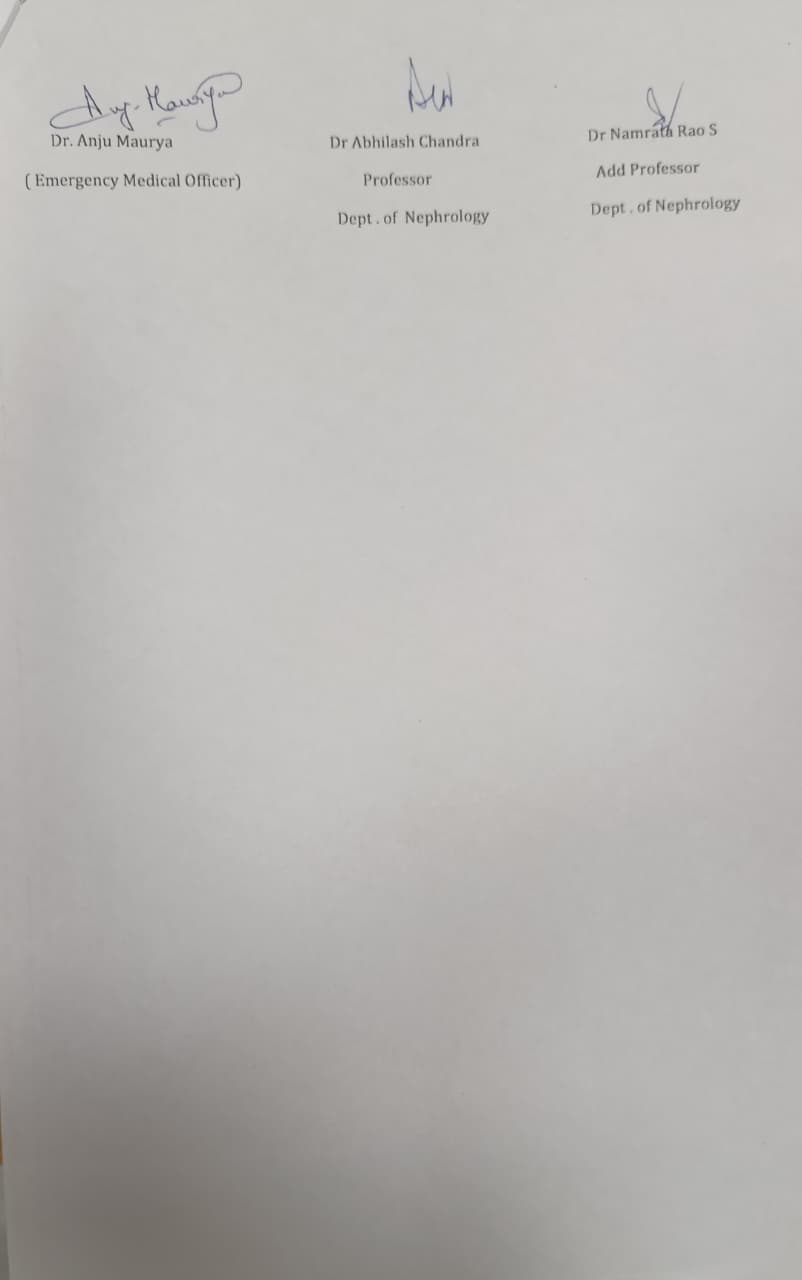
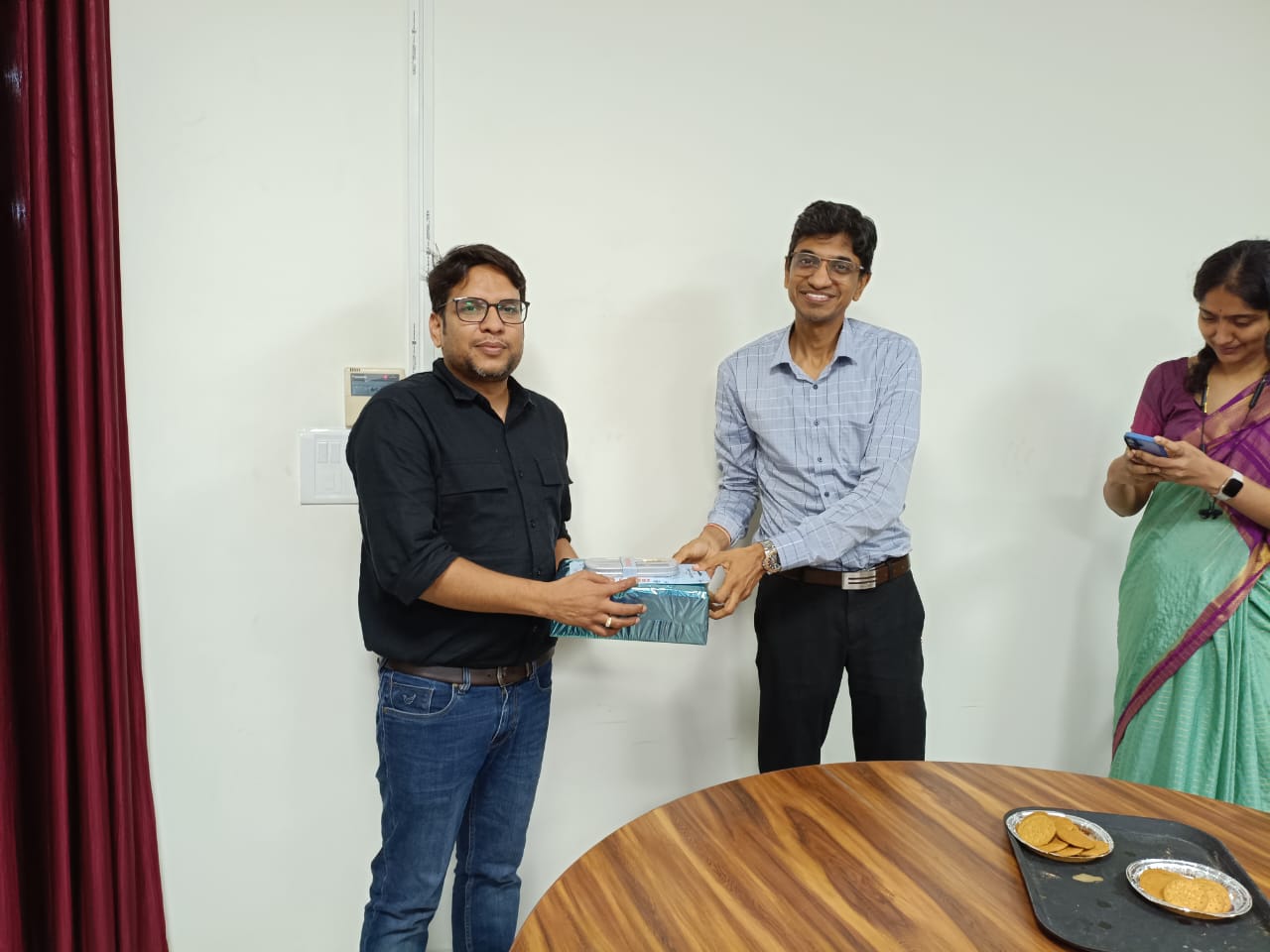
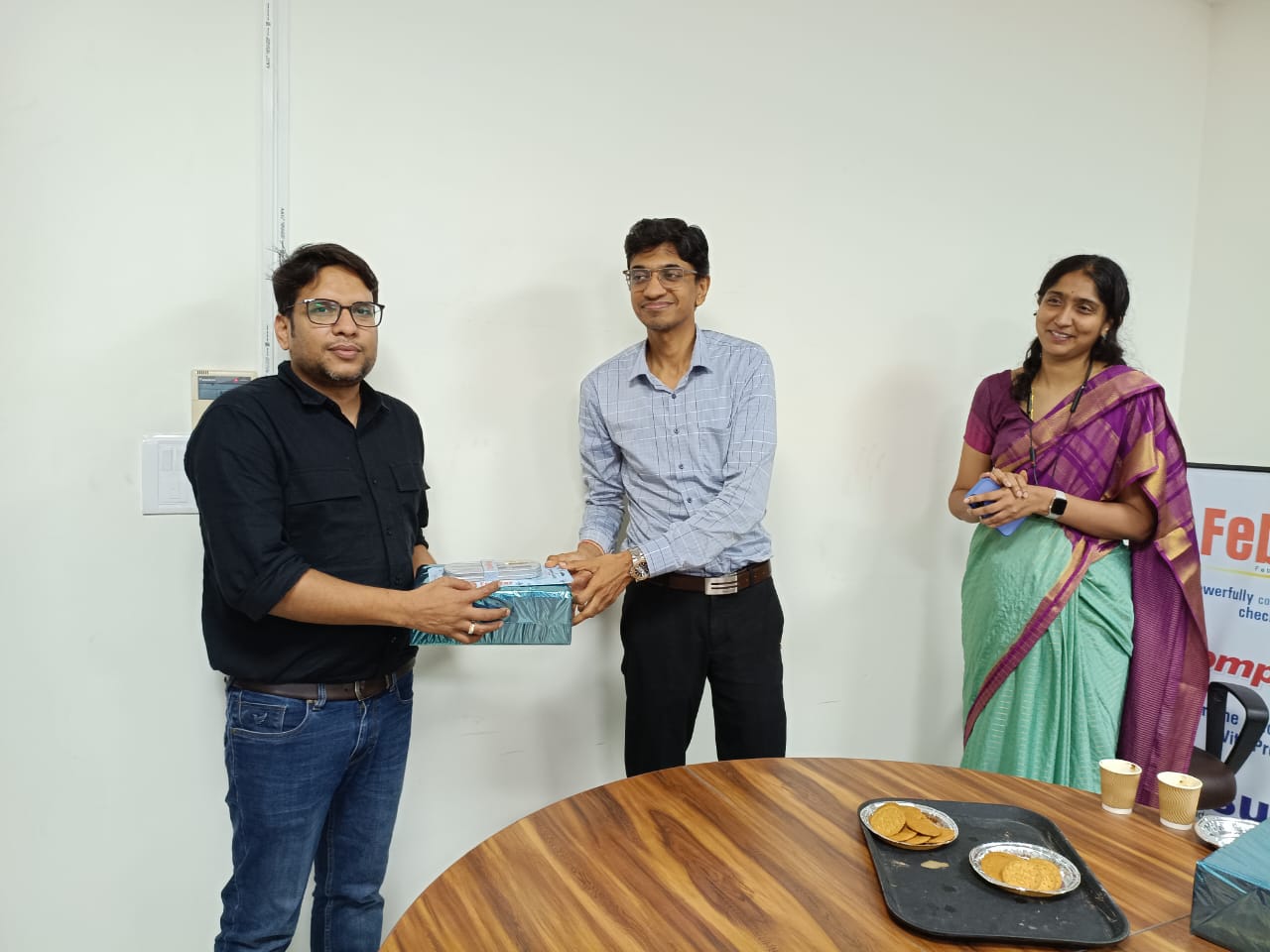
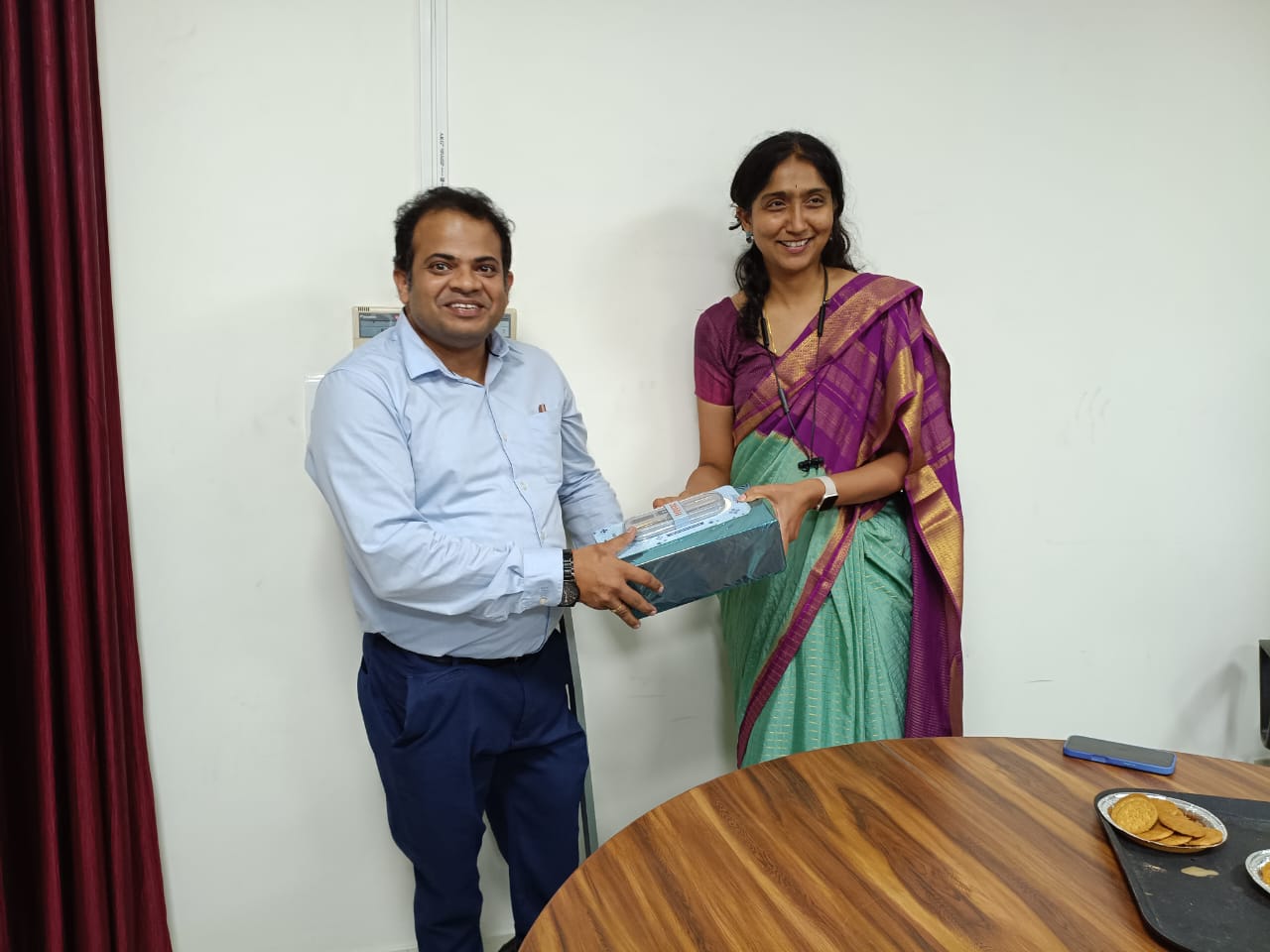
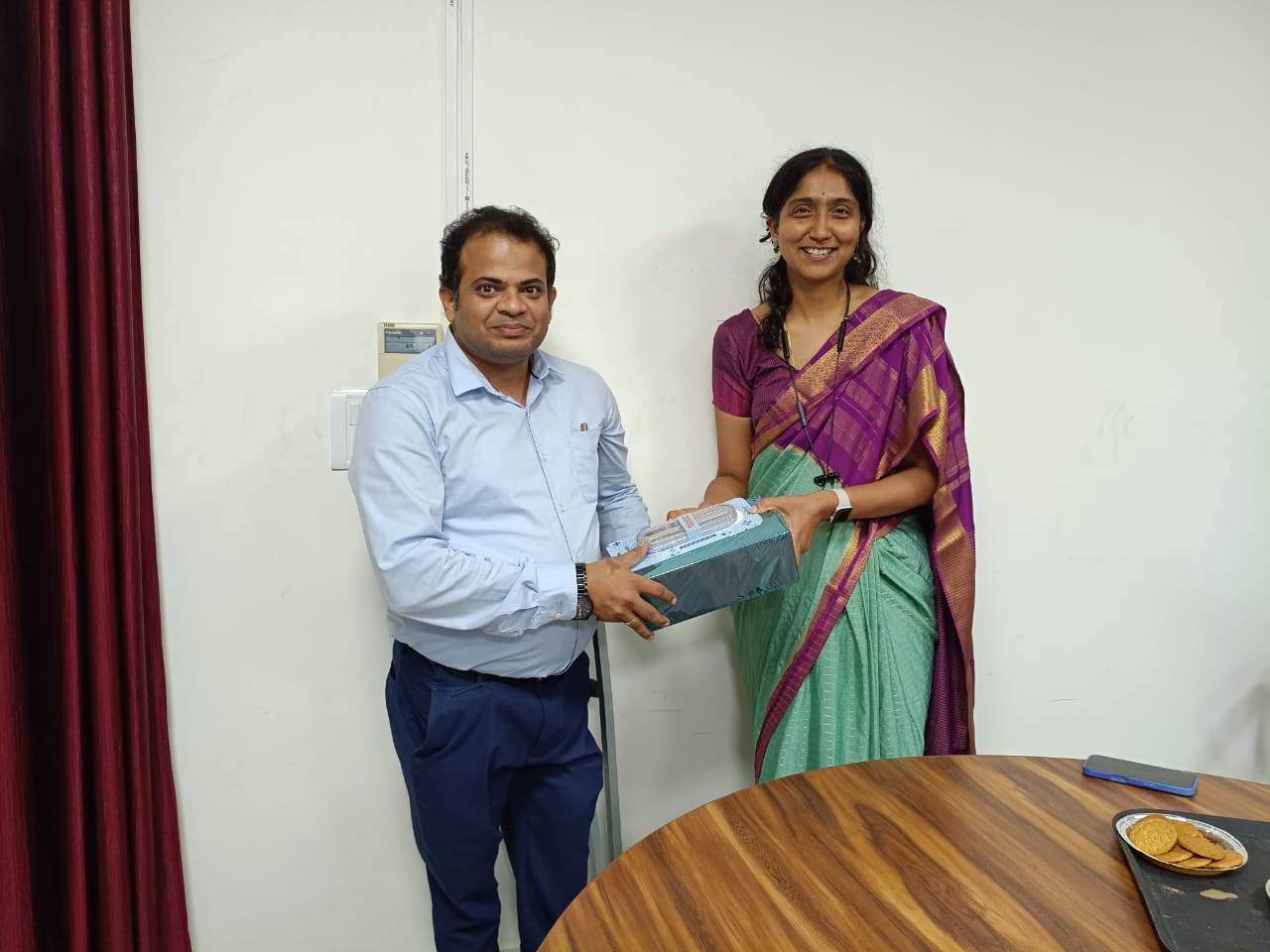
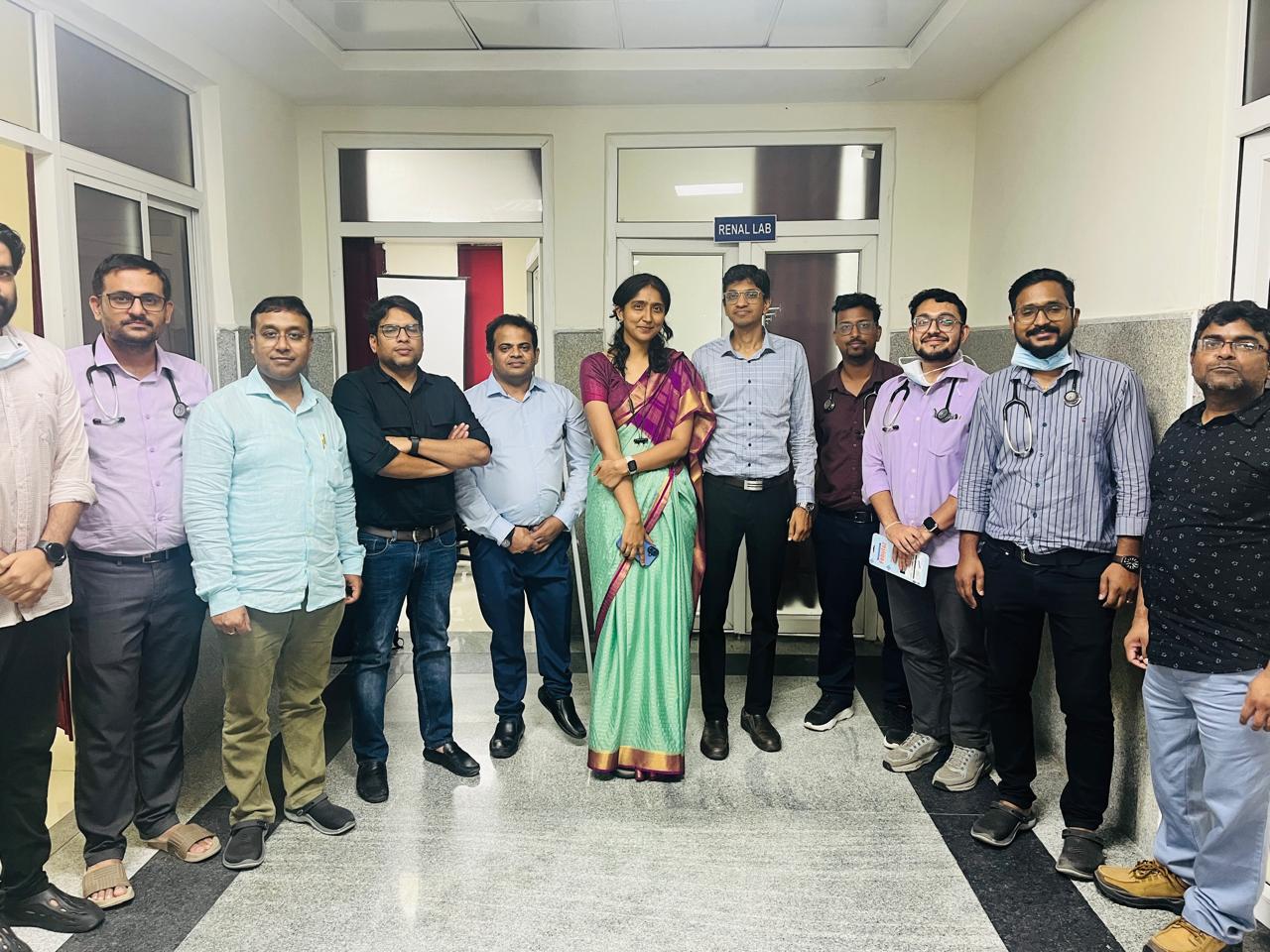
Multidisciplinary meeting Addressed challenges in timely Brain Stem Death (BSD) certification. Recommendations included improved interdepartmental coordination, expansion of the BSD certification panel, and quarterly review of BSD cases as per NOTTO guidelines.